September 22, 2026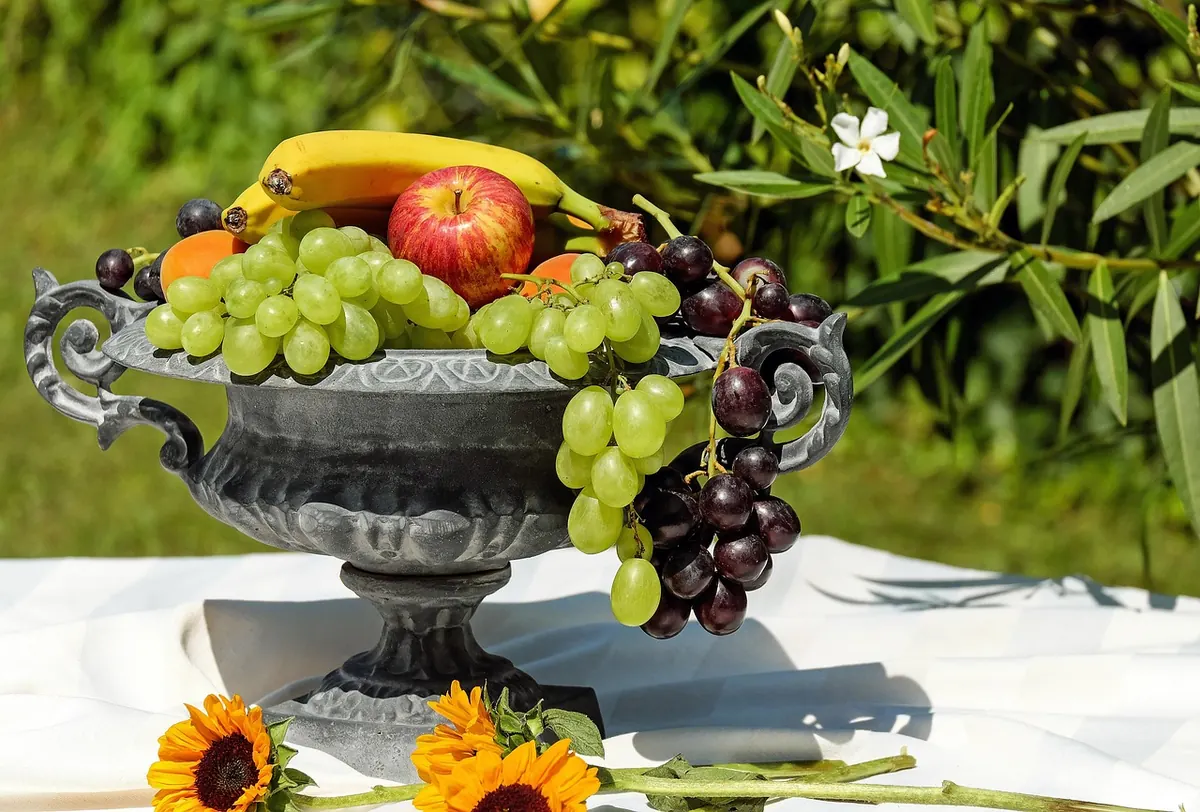
Few kitchen questions cause as much quiet disagreement as this one. Does the fruit go in the fridge, or does it stay in the bowl on the worktop? The honest answer is: it depends on the fruit, and sometimes on how ripe that particular piece is right now. Chill a hard avocado and you simply delay your lunch by a fortnight. Chill a ripe tomato and you lose the flavour you paid for. Leave a ripe apple sitting in the bowl for a week and you get a soft, floury disappointment.
Here is a side-by-side look at the four fruits that cause the most confusion — bananas, avocados, tomatoes and apples — and what each one actually wants from you.
What Is Really Going On in There
Two processes are running at once inside any piece of fruit: ripening and decline. Cold slows both. That is the whole story in one sentence, but it explains most of the decisions you will make this week.
Bananas, avocados, tomatoes and apples all continue to ripen after they are picked, and all of them release ethylene gas as they do it. Ethylene is a ripening hormone, and in a fruit bowl it is contagious. One ripe banana next to a hard avocado will noticeably speed that avocado along. This is sometimes a gift and sometimes a problem — it depends whether you want things ripe today or on Friday.
Cold also has a second effect that catches people out: some fruits are damaged by it. Below roughly 10°C, bananas and tomatoes suffer what is known as chilling injury. Their skins darken or their flesh turns mealy, and once that happens, bringing them back to room temperature will not undo it.
So the general pattern is simple: ripen at room temperature, then refrigerate to hold. The exceptions are worth knowing.
Bananas: Counter First, Fridge Later
A green banana needs warmth. Leave it on the worktop, out of direct sunlight, and it will turn yellow over a few days and then develop the brown speckles that signal full sweetness. A fridge stops that process almost dead, so putting a green banana in there just gives you a green banana for a long time.
Once the banana is ripe, though, the fridge becomes useful. The skin will blacken within a day or two — that is chill damage, not rot, and it does not mean the fruit has spoiled. Inside, the flesh stays firm and sweet for several days, which is why cold bananas are perfectly good for slicing onto cereal, blending into smoothies or baking into banana bread. Judge it by the flesh, not the peel.
A few practical points:
- Keep bananas away from the rest of the fruit bowl if you want anything else to last. They are generous with their ethylene.
- Snap a ripe bunch into single bananas to slow things down slightly — the crown is where a good deal of the gas is produced.
- Skip the plastic bag. Bananas need airflow, and trapped moisture invites mould.
- Freeze what you cannot use: peel, chop into chunks, bag and freeze for later.
Avocados: Patience, Then Cold
An avocado from the shop is usually rock hard, and there is nothing you can do in the fridge to improve that. Leave it in the bowl at room temperature and it will soften over roughly three to six days, depending on how cool your kitchen is. Warmth speeds it up, which is why avocados ripen faster in summer.
If you need one sooner, put it in a paper bag with a banana or an apple and fold the top loosely. The bag traps ethylene around the fruit and can knock a day or two off the wait. Check it daily, because avocados go from perfectly ripe to past it in what feels like an afternoon.
Testing is easy. Cradle the avocado in your palm and press gently near the stem end rather than the middle. If it yields slightly under your thumb, it is ready. Once ripe, move it to the fridge, where it will hold for a further three to five days — the salad drawer is ideal. Cold does not improve an avocado, it only preserves one.
If You Have Cut It Open
Leave the stone in, squeeze over a little lemon or lime juice, and press cling film directly onto the exposed flesh before refrigerating. Eat it within a day or two. The brown tinge that appears is oxidation rather than spoilage, but the flavour and texture do fade, so treat a cut avocado as a short-term project.
Tomatoes: The Fridge Is the Wrong Answer
Tomatoes are the clearest case in the whole kitchen. Cold damages their cell structure and dulls the aromatic compounds that make a tomato taste like a tomato. Put a good one in the fridge overnight and you will often find it watery, slightly grainy and oddly flat the next day. Warming it back up does not restore what was lost.
Keep them on the worktop, stem-side down, in a single layer, out of direct sun. That is it. They will carry on ripening gently and taste far better for it. If your kitchen is hot, move them somewhere a little cooler rather than into the fridge.
The exception is pure practicality: if you have a glut of fully ripe tomatoes and no chance of eating them in the next day or two, chilling them is better than binning them. Accept the drop in quality, and let them come back to room temperature before you eat them. Also keep tomatoes away from bananas, which will push them past their best rather quickly.
Apples: The Fridge Wins
Apples are the odd one out. They are already ripe when you buy them, and they respond well to cold. In the fridge — ideally in the crisper drawer, loose or in a paper bag — they stay crisp for several weeks. Left in a fruit bowl at room temperature, they soften within about a week and lose their snap.
The catch is ethylene again. Apples produce a lot of it, and it affects their neighbours. Leafy greens yellow, broccoli turns, cucumbers soften and carrots can develop a bitter edge. Storing apples in a drawer or a paper bag contains much of the gas and protects everything else. Check the drawer weekly, too: one rotting apple releases a surge of ethylene and can push the rest over the edge.
At a Glance
- Bananas: room temperature to ripen; fridge once ripe, and ignore the black skin.
- Avocados: room temperature until they yield to a gentle press; then the fridge.
- Tomatoes: room temperature, always. Fridge only if the alternative is waste.
- Apples: the fridge from day one, kept away from sensitive produce.
A Routine That Works
Buy firmer than you need, ripen on the worktop, and refrigerate once ripe. Keep two zones in the kitchen: a bowl for ripening bananas, avocados and tomatoes, and a fridge drawer for apples. Check the bowl once a day with your hands rather than your eyes — softness tells you more than colour does.
That rhythm takes a moment in the morning and saves far more food than any gadget. And if a piece does slip past its best, remember that overripe bananas, soft avocados and collapsing tomatoes are still excellent in baking, sauces and soups. Very little needs to go in the bin.
Photo: Couleur / Pixabay