September 29, 2026
A bowl of spotted bananas and collapsing peaches can look like a small failure. It isn't. Once fruit starts to soften, its starches are turning to sugar and its pectin is breaking down, which means it will hold less shape but carry far more flavour. That trade-off is exactly what you want in a cake, a compote or a smoothie. Firm, underripe fruit needs coaxing; soft fruit does most of the work for you.
Sort the fruit before you cook anything
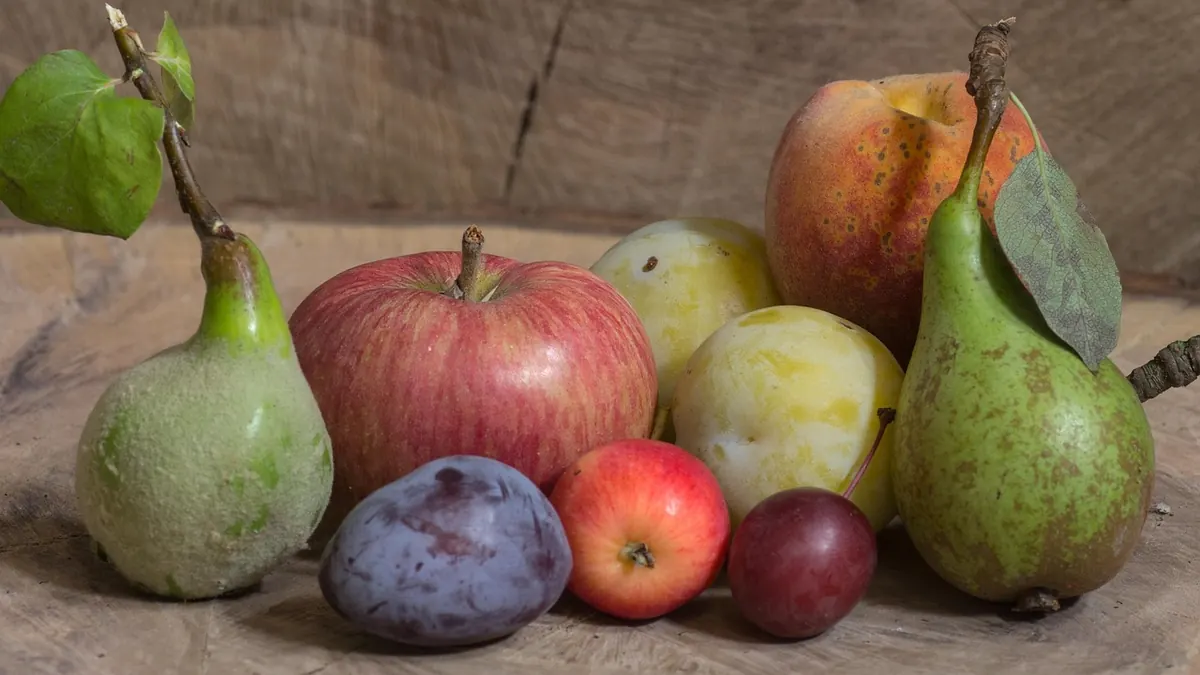
Overripe and spoiled are not the same thing, and it pays to be strict about the difference. A banana with blackened skin, a peach that weeps on the plate or a punnet of raspberries that has gone jammy at the bottom are all fine. Anything with visible mould, a fizzy smell or a slimy texture goes in the bin, and if you are unsure, throw it out rather than risk it.
- Use now: brown spots, soft or wrinkled skin, juice pooling in the bowl, a strong sweet smell.
- Use today: fruit that is collapsing but still tastes clean — cook it rather than eating it raw.
- Discard: any surface mould, slime, or a fermented, sharp smell. With soft fruit, mould threads can reach further than the visible patch, so cutting away the fuzzy bit is not a reliable fix.
Work quickly once you have sorted everything. Soft fruit has a short window, and a compote made this afternoon will be better than the same recipe made tomorrow.
Cakes and bakes that improve with soft fruit
Banana and walnut loaf
This is the classic home for bananas that no one will eat from the fruit bowl. Mash three or four very ripe bananas, then beat in 175g soft butter, 175g light brown sugar and three eggs. Fold through 250g self-raising flour, a pinch of salt and 75g roughly chopped walnuts. Bake in a lined loaf tin at 180°C (160°C fan) for about an hour, covering the top with foil if it browns too fast. The blacker the bananas, the sweeter the loaf, so you can often shave a little sugar off the recipe.
Peach upside-down cake
Halve your soft peaches and cut away any bruised patches. Melt 50g butter with 50g sugar directly in a round cake tin, then arrange the peaches cut side down on top. Spoon over a simple sponge — 175g each of soft butter, caster sugar and self-raising flour with three eggs — and bake at 180°C for 40 to 45 minutes. Let it sit for five minutes, then invert onto a plate while the caramel is still loose.
Pear and almond cake
Pears that have gone floury and grainy are perfect here because the texture disappears into the crumb. Peel, core and slice three or four pears. Beat 200g soft butter with 200g caster sugar, add four eggs one at a time, then fold in 100g ground almonds, 100g self-raising flour and a few drops of almond extract. Scatter the pear slices over the batter and bake at 170°C (150°C fan) for 50 to 55 minutes.
Compotes: the quickest way to deal with a glut
A compote takes ten minutes and rescues almost any quantity of fruit. The method is always the same: fruit, a little sugar, a squeeze of lemon and a splash of water in a pan over a low heat until everything slumps.
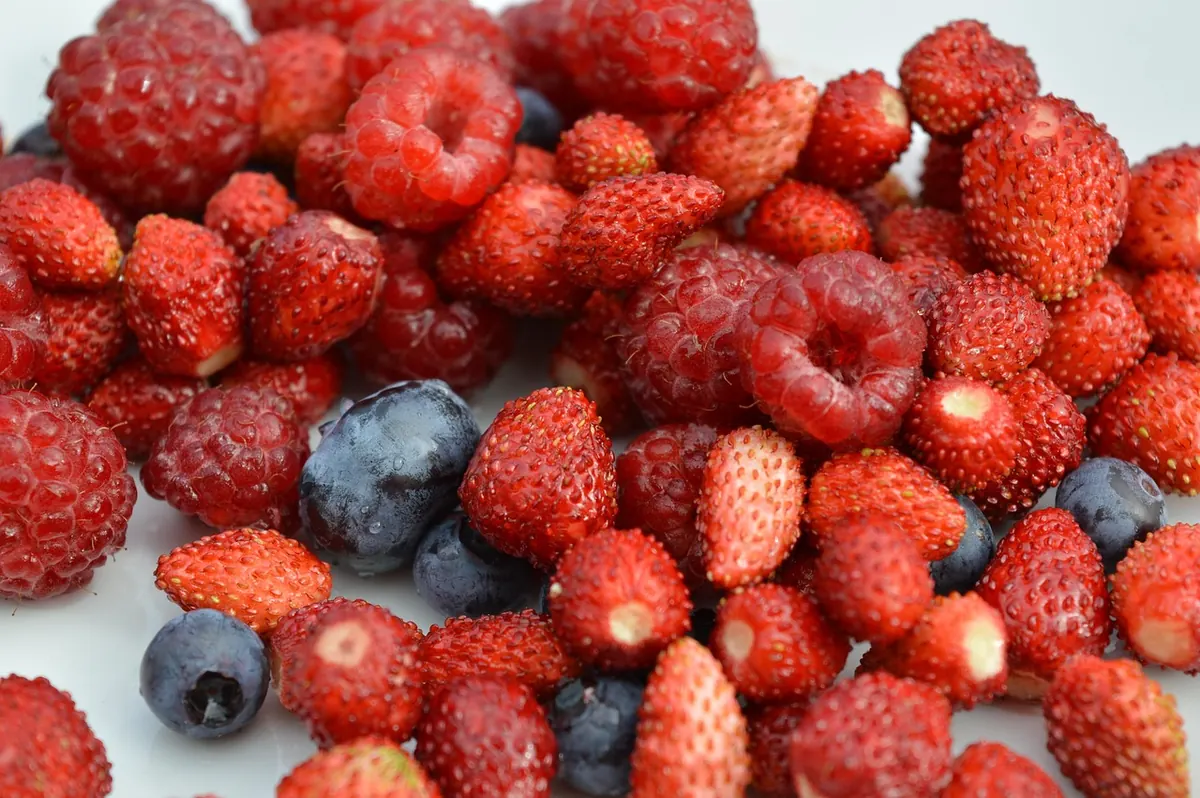
- Berry compote: 400g berries, two tablespoons of sugar, a squeeze of lemon and one tablespoon of water. Simmer for five to eight minutes. Leave some berries whole for texture.
- Pear and ginger compote: four peeled, chopped pears with two tablespoons of honey, a thumb of grated ginger and a splash of water. Cook for 15 to 20 minutes until the pieces collapse.
- Peach and vanilla compote: sliced peaches, two tablespoons of sugar and a split vanilla pod. Simmer gently for 12 minutes, then cool in the syrup.
Serve compotes over yoghurt, porridge or ice cream, or layer them into the base of a crumble. They keep in the fridge for about five days in a clean, covered container. These are fresh compotes, not preserved jams, so treat them as fridge food rather than something to store in the cupboard.
Smoothies, coulis and frozen fruit packs
Freezing is where overripe fruit earns its keep. Peel bananas, break them into chunks and freeze them on a tray before bagging, so they don't fuse into one solid lump. Spread berries in a single layer on a tray, freeze, then tip into bags. Do the same with sliced peaches and pears. Label the bags with the date and use within a few months for the best flavour.
For a reliable smoothie, use roughly one cup of frozen fruit, 200ml of milk or a plant alternative, a spoonful of yoghurt or nut butter for body, and a little honey or a date only if it needs it. Soft fruit is already sweet, so taste before you add more. For a coulis, blend cooked or very soft fruit until smooth, push it through a sieve, and sweeten to taste. Spoon it over cheesecake, pancakes or set yoghurt, and freeze the rest in ice cube trays for single portions.
Eight ideas at a glance
- Banana and walnut loaf — the standard use for blackened bananas.
- Peach upside-down cake — caramelises the softest peaches beautifully.
- Pear and almond cake — hides grainy, floury pears in a moist crumb.
- Berry compote — ten minutes, endlessly adaptable.
- Pear and ginger compote — good with porridge or roast pork.
- Frozen smoothie packs — portioned bags ready to blend.
- Mixed fruit crumble — any combination of berries, pears and peaches under a crumble topping.
- Fruit coulis — a sieve, a spoon and a spare five minutes.
Practical notes before you start
Taste as you go. Overripe fruit varies enormously in sweetness, so add sugar in small amounts rather than following a recipe blindly. Batch-cook compotes and crumbles when you have a glut, then freeze in portions you will actually use. Ice cube trays are ideal for coulis and small amounts of compote.
Keep everything clean — wash fruit, use clean spoons and jars, and cool cooked fruit quickly before chilling. If you have a health condition that affects how much fruit or sugar you eat, speak to your GP or a registered dietitian before making big changes to your diet. Beyond that, the only rule worth remembering is simple: soft fruit in the bowl is not waste, it is dinner, pudding or tomorrow's breakfast. Have a look at what is sitting on your worktop now and pick one recipe to try this week, before the fruit makes the decision for you.
Photo: la-fontaine / Pixabay