September 26, 2026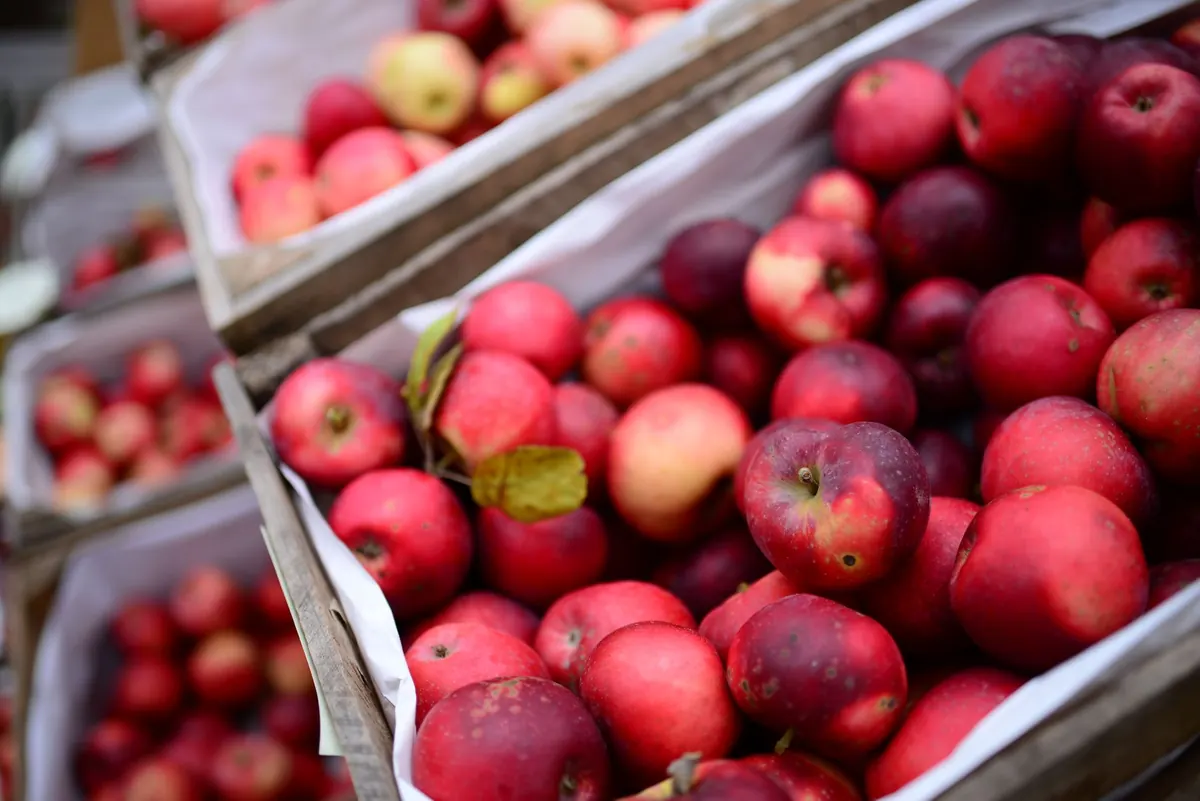
Apples are the quiet troublemakers of the fruit bowl. Leave one next to a ripening avocado, a bunch of bananas or a bowl of tomatoes and you can almost watch them soften. That is not bad luck, it is chemistry. Apples release ethylene gas, and other produce responds to it. The good news is that you do not have to banish apples from the kitchen. You simply have to store them so their gas stays with them.
Why Apples Ripen Their Neighbours
Ethylene is a natural plant hormone, a gas you cannot see or smell, produced by fruit as it ripens. Apples are among the more generous producers, and they give off more of it as they age, as they warm up, and wherever the skin is bruised or cut.
Bananas, avocados, pears, peaches, kiwis, mangoes and tomatoes are all sensitive to it. So are the things you might not think of as fruit at all: leafy salad will yellow and go limp, broccoli turns yellow, cucumbers soften, and potatoes sharing the same cupboard are more likely to sprout early. Apples are not immune either. One ripe apple in a box speeds up its neighbours, which is why a single soft fruit so often seems to lead to a whole bowl of them.
Give Apples Their Own Space
Distance helps, but it is a weak tool. Ethylene drifts through the air and mixes in a closed space, so in a fridge a shelf between the apples and the strawberries is not much of a barrier. On an open worktop, a metre of clear air makes a difference, but a warm kitchen is the worst place to store apples anyway.
The more reliable approach is containment. A lidded box, a sealed tub with a couple of small holes, or a drawer used only for apples will hold most of the gas close to the fruit that produced it. If your fridge has a salad drawer with a divider or two separate compartments, that is ideal: apples on one side, everything sensitive on the other.
Whatever you do, keep apples away from onions and garlic. They do not speed apples up, but apples readily absorb strong smells through their skin, and an apple that tastes faintly of onion is a sad thing to bite into.
Wrap the Fruit, Not the Box
Wrapping each apple individually is the old orchard trick, and it still works. The paper does not seal the gas in completely, but it slows it down, keeps fruit from touching, and stops a bruise on one apple spreading to the next.
- Newspaper or brown paper is the classic choice and costs nothing. One layer is enough.
- Kitchen paper works well for a handful of apples; it also soaks up any juice from a damaged fruit.
- Paper bags or a cardboard box with a few ventilation holes suit larger quantities, arranged in a single layer if you can.
- Vermiculite or dry sand in a box is an old-fashioned method for keeping a long crop through winter, and it still does the job in a cool shed.
- Avoid airtight plastic with no vents. Trapped moisture causes rot far faster than ethylene causes softening.
If wrapping every apple sounds like a chore, wrap the ones you plan to keep longest and leave the rest loose in a single container. It is a ten-minute job that buys you weeks.
Keep Them Cool
Cold slows respiration, and slower respiration means less ethylene. This does more for your apples than any clever container.
In the fridge
An apple stored at fridge temperature will keep for far longer than one on the worktop. Use the salad drawer or a lower shelf, keep the fruit in a paper bag or lidded tub with a small vent, and do not stack heavy items on top. Take out what you need rather than letting the whole drawer warm up.
In a cool room, garage or shed
For a big autumn crop, a dark, frost-free space between roughly 2°C and 7°C is ideal. Slatted shelves or single-layer cardboard boxes let air move around the fruit, and a covering of newspaper keeps light and dust off. Check for mice, and bring a few apples indoors at a time rather than the whole box.
Where not to keep them
Not on a sunny windowsill, not above the radiator, not next to the oven, and not in the same bowl as bananas, which produce plenty of ethylene of their own and will have everyone ripening at once.
What Apples Can Share Space With
Apples are happiest alone, but if space is tight, choose companions that are not ethylene sensitive. Citrus fruit copes reasonably well, as do pineapples and melons. Your own apples, of course, are fine together, though it pays to keep hard late varieties separate from soft early ones so you are not hunting for the eaters among the keepers.
Varieties that store well, such as Bramley, Egremont Russet and other late-season apples, are worth keeping properly. Soft, early apples are better eaten within a week or two.
A Simple Weekly Routine
- Sort before you store. Set aside any apple that is bruised, cut or mouldy and use it first.
- Do not wash them. Damp skin invites rot; wipe dirty apples with a dry cloth instead.
- Leave the stalks on, and handle the fruit gently.
- Wrap and box, then put the box somewhere cool and dark.
- Check the whole box once a week. Remove anything soft or spotty immediately.
- Cook the ones that are past their best rather than leaving them to affect the rest.
If you notice a mouldy apple, take it out carefully and wash your hands. Do not eat fruit that has mould on it, and if you are unsure whether something is safe to eat, throw it away.
The Short Version
Apples only cause trouble when they are close to produce that reacts to ethylene. Separate them from bananas, avocados, tomatoes, salad and potatoes. Wrap each apple in paper, keep the wrapped fruit in a lidded container or a dedicated drawer, and store it as cold as your kitchen allows. Sort out the damaged ones before they go in, and check weekly.
Do those things and a bowl of apples on the worktop becomes perfectly harmless, as long as the bowl contains nothing but apples. Bananas in the fruit bowl, apples in the fridge drawer, and everything else stays firm for longer.
Photo: Wadim Ł. / Pexels