September 14, 2026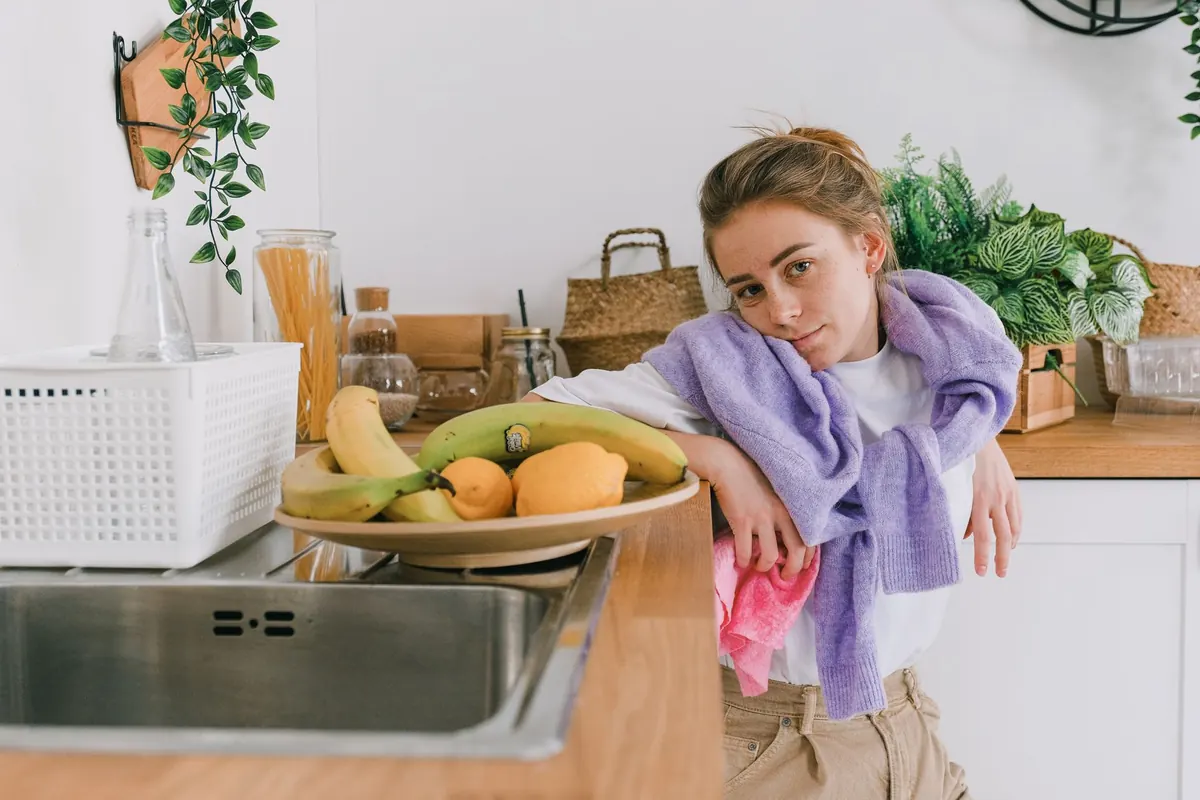
A bunch of bananas can go from green-tipped to freckled with brown in what feels like a single afternoon. One morning they're perfect on cereal; the next they're only good for baking. Nothing has gone wrong. Bananas are built to ripen quickly, and once you know the two or three things driving that process, it becomes surprisingly easy to hold them at their best for several extra days.
Ethylene is doing most of the work
Bananas are what growers call climacteric fruit, which means they carry on ripening after they're cut from the plant. The trigger is ethylene, a colourless gas that behaves like a plant hormone. Every banana gives it off, and as the fruit ripens it produces more of it, which speeds up ripening further. It's a loop that feeds itself.
That loop is why a single ripe banana seems to drag the whole bowl along with it. The gas drifts through the air, its neighbours absorb it, and their own ripening switches on earlier than it otherwise would. Alongside ethylene, ordinary warmth and oxygen keep the fruit's internal chemistry ticking over: starch converts to sugar, the green pigment in the skin fades, and the cell walls soften until the peel gives way to the familiar brown speckling.
You can't stop a banana producing ethylene. You can, however, stop the gas from hanging around it, and you can slow the chemistry it sets in motion.
Temperature: a useful tool with an obvious catch
Cooling slows everything down. Less ethylene, slower respiration, slower softening. So the fridge should be the answer — except that bananas are a tropical fruit and a domestic fridge sits far below their comfort zone. Somewhere around 12–15°C is where they stay happiest, which is roughly a cool larder or the shadiest corner of a worktop. Below that, the fruit suffers what's known as chilling injury. The skin blackens, sometimes within a day, while the flesh inside may still be firm or even underripe.
When the fridge is worth it anyway
Once your bananas are ripe and you can't eat them all in the next day or two, the fridge becomes a sensible trade-off. Ripening has largely finished, so you're mainly trying to stop them turning to mush. The peel will darken — that's the cold, not spoilage — but the flesh usually stays sweet and firm for a few more days. For smoothies, baking and porridge, the look of the skin is irrelevant.
If your bananas are still green, keep them out of the fridge. Chilling them early gives you black skins wrapped around starchy fruit, which is the worst of both worlds.
Separate them, and mind their neighbours
Ethylene is a gas, so proximity matters as much as temperature. A few habits make a real difference:
- Break the bunch. If one banana is ripe and the rest are green, snap the ripe one off and eat it first. Left attached, it broadcasts ethylene to the others all day.
- Keep them away from heavy ethylene producers. Apples, pears, avocados, tomatoes, melons, stone fruit, ripe mangoes and kiwifruit all release plenty of the gas. A fruit bowl packed with all of it will ripen your bananas faster than anything else in the kitchen.
- Don't crush them. Bruises trigger extra ethylene production and give mould a way in. Hanging bananas from a hook keeps them clear of the worktop and stops them leaning on each other.
- Skip airtight containers. A sealed bag or box traps ethylene and moisture around the fruit, which is a recipe for grey, soft patches. A loose paper bag is fine; sealed plastic is not.
- Out of direct sun. A windowsill can be ten degrees warmer than the rest of the room, and heat pushes ripening along quickly.
What about wrapping the crown?
Wrapping the joined stalk at the top of the bunch in a little cling film is a popular trick, and a reasonable one: the crown is one of the busiest spots for ethylene production. Results vary, and it won't rescue a bunch that's already turning, but it costs nothing to try.
A routine that keeps bananas in good shape
- Buy bananas at the stage you'll actually eat them. Green ones need days; yellow with a hint of green at the tips is ready within a day or two.
- Store them loose, at room temperature, away from other fruit and out of the sun.
- Hang them or lay them so they aren't pressed against anything.
- Eat from the ripest end of the bunch and remove ripe bananas as you go.
- When they reach peak ripeness, move them to the fridge to buy a few more days.
- Freeze anything you won't use in that window.
When they've gone too far
You can't reverse ripening, but you can redirect it. Peel overripe bananas, slice them, freeze them on a tray for an hour, then tip them into a bag. They'll keep for months and blend straight into smoothies, or thaw for banana bread, muffins and porridge. Frozen banana whizzed with a splash of milk makes a decent soft-serve substitute, which is a better use for a blackened banana than the bin.
A brown skin isn't automatically bad news, so judge by the flesh. If it's soft and sweet, use it. If it smells sour or fermented, is weeping, or has any fuzzy mould, throw it out — and don't just cut the mouldy patch off, as fruity soft textures let mould spread further than you can see.
The short version
Slow bananas down by keeping them cool but not cold, giving ethylene somewhere to go, and separating the ripe from the unripe. That means room temperature rather than the fridge while they're still ripening, no apples or avocados pressed up against them, the bunch broken up as individual bananas peak, and a move to the fridge or freezer the moment they're ready. Do those few things and a bunch that used to last three days can comfortably last a week.
Photo: SHVETS production / Pexels